
Several years ago, I bought my first e-reader to supplement my growing library of print books. That e-reader was the Nook 3g, and I loved it for the years it accompanied me. It had a tiny color touchscreen at the bottom, an e-ink display for reading at the top, and free, built in 3g internet. Before I upgraded to the Nook HD+ I could not imagine separating myself from my first Nook, and I have always preferred my Nook over the Kindle some of my friends had because they started reading ebooks before the Nook came about. But while there are people like me who are die-hard Nook users, the Nook is no longer a part of Barnes &Noble’s success story.
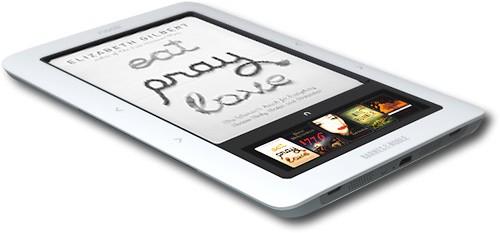
Barnes & Noble was first founded in 1873 and it continued to expand throughout the 1900s to become a major player in the bookselling industry. The company now has over 600 brick and mortar stores throughout the United States, and has expanded their retail business to include specialty items such as games, toys, and music. These non-book items offer higher profit margins for booksellers so they can keep selling books, but with the dawn of the digital age in books and competition from Amazon, Barnes & Noble had to step into a previously uncharted area in 2009 or risk losing a customer base that was doing more and more of its book buying online. That year, the Nook e-reader was launched, and it managed to sell millions of devices in its first few years.
Three generations of the Nook, its transformation into a tablet, and several apps and updates later, Barnes & Noble found it was no longer financially feasible to try to compete in the tablet/e-reader market. In 2013, Barnes & Noble sold their remaining Nook devices at discounted prices and announced they would no longer be making their own tablets. If you buy a Nook tablet now, you are actually buying a Samsung tablet that features the Nook and the Nook store among its applications. Yet Barnes & Noble has not given up on e-readers entirely.

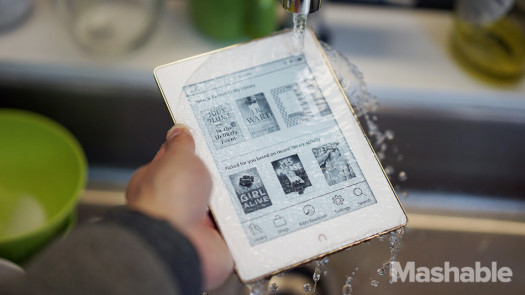
The company is still making the simpler black and white version of the Nook. In its latest rendition, this e-reader is called the Nook GlowLight Plus. It’s geared towards serious readers who want to get as close as possible to the print reading experience. The device has a 300-dpi screen, a battery that lasts up to six weeks, and an illuminated screen for reading in bed or outside, and it’s even dust proof and waterproof so people can read anywhere, anytime.
Although Barnes & Noble cannot compete with Amazon on the same level, the bookseller continues to utilize their Nook as a way to sell and profit from digital content and hopefully attract customers to their brick and mortar stores nationwide. With their ventures into illustrated and out-of-print book publishing and their inclusion of independent titles in their Nook shop, Barnes & Noble hopes to be more than just a place to buy the latest bestseller or browse the bookshelves for books to buy from Amazon later.
You must be logged in to post a comment.